


Canker Sores and Kissing: The Contagious Truth
Can You Get Canker Sores from Kissing?
Originally published May 21, 2012. Updated November 13, 2025 for accuracy and freshness.
Canker sores may be painful, annoying, and frustrating, but are they contagious? If you have a sore in your mouth, should you avoid kissing your partner or sharing food?
Let’s break down what causes canker sores, how they differ from cold sores, and whether they can spread through contact. Can you still share a kiss with your loved one?
What Are Canker Sores?
Canker sores, also called aphthous ulcers, are small, round ulcers that develop inside the mouth—on the tongue, gums, or inner cheeks. They appear as white or yellowish sores with a red border and can be quite painful, especially when eating spicy or acidic foods.
Unlike cold sores (also called fever blisters), a virus does not cause canker sores. Instead, they can be triggered by:
- Minor injuries (biting your cheek, dental work)
- Stress or hormonal changes
- Nutritional deficiencies (low iron, B12, folate)
- Certain foods (spicy, acidic, or allergy-triggering foods)
For a deeper dive into nutritional deficiencies and other causes, check out this guide on canker sore symptoms.
Are Canker Sores Contagious?
The short answer? No, canker sores are not contagious. Unlike cold sores, which the herpes simplex virus (HSV-1) causes and spreads through contact, canker sores are not linked to any infection. 1, 2
This means you cannot get canker sores from kissing, sharing utensils, or drinking from the same cup as someone who has one.
However, canker sores can run in families, so genetics may play a role in how often you get them.3
Canker Sores vs. Cold Sores: What’s the Difference?
| Feature | Canker Sores | Cold Sores |
|---|---|---|
| Location | Inside the mouth (tongue, gums, cheeks) | Outside the mouth (lips, around nose) |
| Cause | Not contagious; linked to stress, minor injury, or diet | Caused by herpes simplex virus (HSV-1); contagious |
| Appearance | Small, round, white or yellowish ulcers with red halo | Fluid-filled blisters that burst and scab |
| Contagious? | No | Yes |
| Common Triggers | Stress, acidic/spicy foods, mouth irritation, immune changes | Sun exposure, stress, illness, chapped lips |
🚨 If you have a fluid-filled blister outside your mouth, it may be a cold sore—not a canker sore! Cold sores are contagious, so avoid kissing or close contact until they heal.
How to Relieve Canker Sores
While canker sores heal on their own in about a week, practicing good oral hygiene can help minimize irritation and make the healing process more comfortable:

Do’s for Canker Sore Care
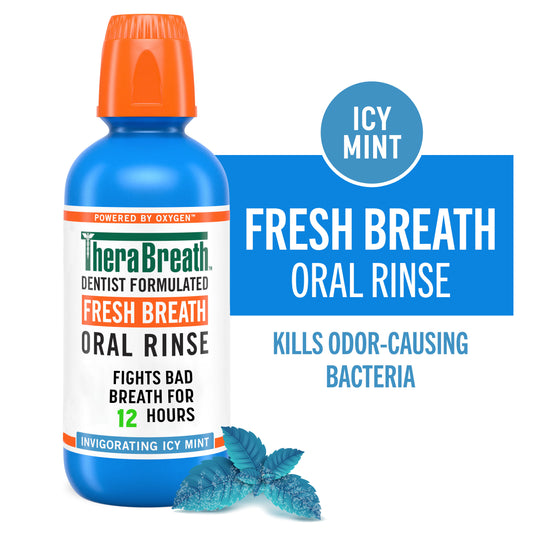
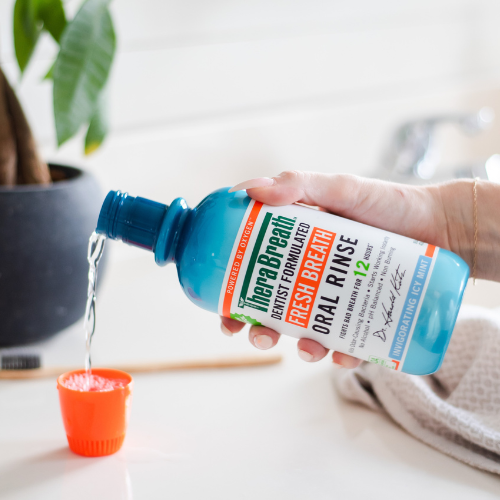
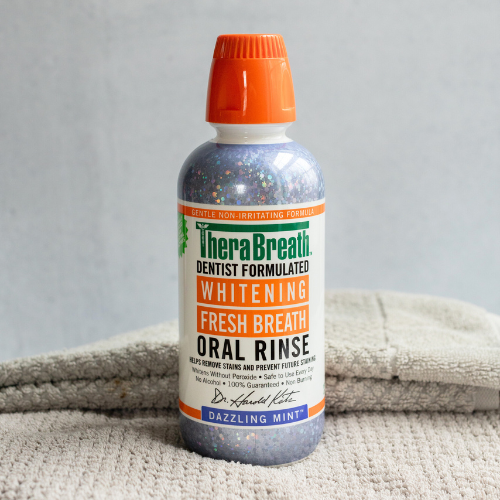
- Use a gentle mouthwash like TheraBreath Fresh Breath Oral Rinse to freshen breath without causing irritation. Curious about the science behind it? Learn how TheraBreath works to neutralize bacteria and support a healthier oral environment.
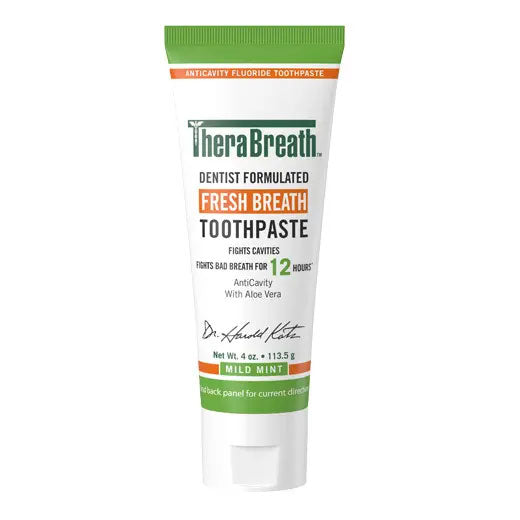
- Brush your teeth with a mild, SLS-free toothpaste, like TheraBreath Fresh Breath Toothpaste – as SLS, a foaming agent, can irritate, exacerbate, or trigger those who have reoccurring canker sores.4
- Try hydrogen peroxide rinses (mix with water) to clean the area. For a gentler and more natural option, try using tea tree oil on your canker sore.
- Eat soft, bland foods to avoid irritation.
If you're dealing with both bad breath and canker sores, check out our guide to managing them together.
Avoid These Triggers
- Spicy, salty, or acidic foods (like citrus, tomatoes, or chips) 2
- Alcohol-based mouthwashes, which can sting and worsen pain 2, 3
- It's not just the alcohol in your mouthwash—your favorite cocktail could be a culprit too! Research shows a link between alcohol and canker sores.
- Stress may increase flare-ups—try relaxation techniques!
FAQs About Canker Sores and Kissing
Can You Pass a Canker Sore to Someone?
No, canker sores are not contagious, so you cannot pass them through kissing, sharing drinks, or utensils.5
What Triggers Canker Sores?
Canker sores can be triggered by stress, minor mouth injuries, certain foods (spicy, acidic), and nutritional deficiencies (B12, iron, folic acid). 1, 2, 5
Can Saliva Cause Canker Sores?
No, saliva itself does not cause canker sores. However, if your mouth is too dry (low saliva production), you may be more prone to irritation and sores.
Why Do My Partner and I Keep Getting Canker Sores?
If both you and your partner frequently get canker sores, look at shared dietary habits, stress levels, or possible deficiencies. Some people are genetically predisposed to developing them.

Canker Sores and Kissing: What’s Actually Safe?
Canker sores may be painful, but you don’t have to worry about spreading them. Unlike cold sores, they aren’t contagious, and you can still kiss, share drinks, and eat with others safely.
If you are dealing with canker sores, try TheraBreath’s gentle, alcohol-free oral care products like TheraBreath Fresh Breath Oral Rinse or our Fresh Breath Toothpaste to keep your mouth healthy and comfortable!
Sources:
- Mayo Clinic. Canker Sore
- Cleveland Clinic. (2022). Canker Sores
- National Library of Medicine. Canker sores (mouth ulcers)
- National Library of Medicine. The effect of a sodium lauryl sulfate-free dentifrice on patients with recurrent oral ulceration
- National Health Service (NHS). (2024). Mouth Ulcers.